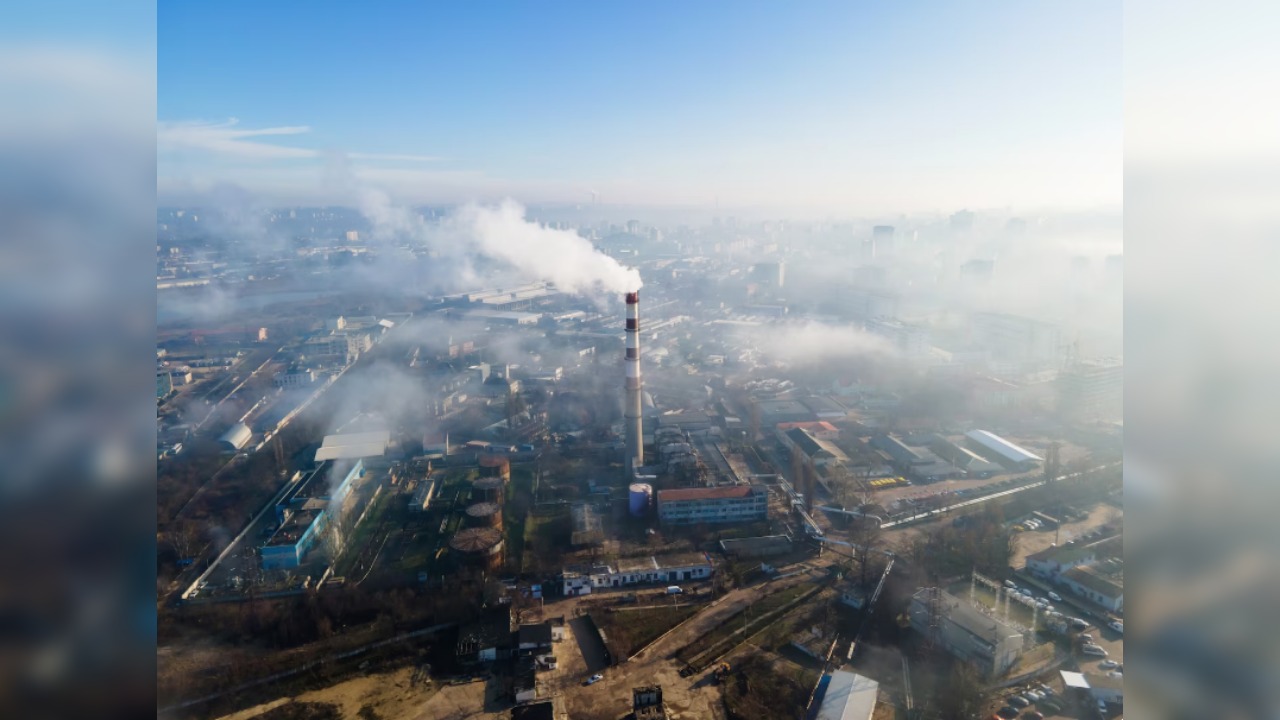
Volcanic Ash Safety Tips: Volcanic activity in Ethiopia can release large amounts of ash into the air, creating serious health and safety risks for nearby communities. From breathing problems to contaminated water and reduced visibility, volcanic ash can affect daily life in many ways.
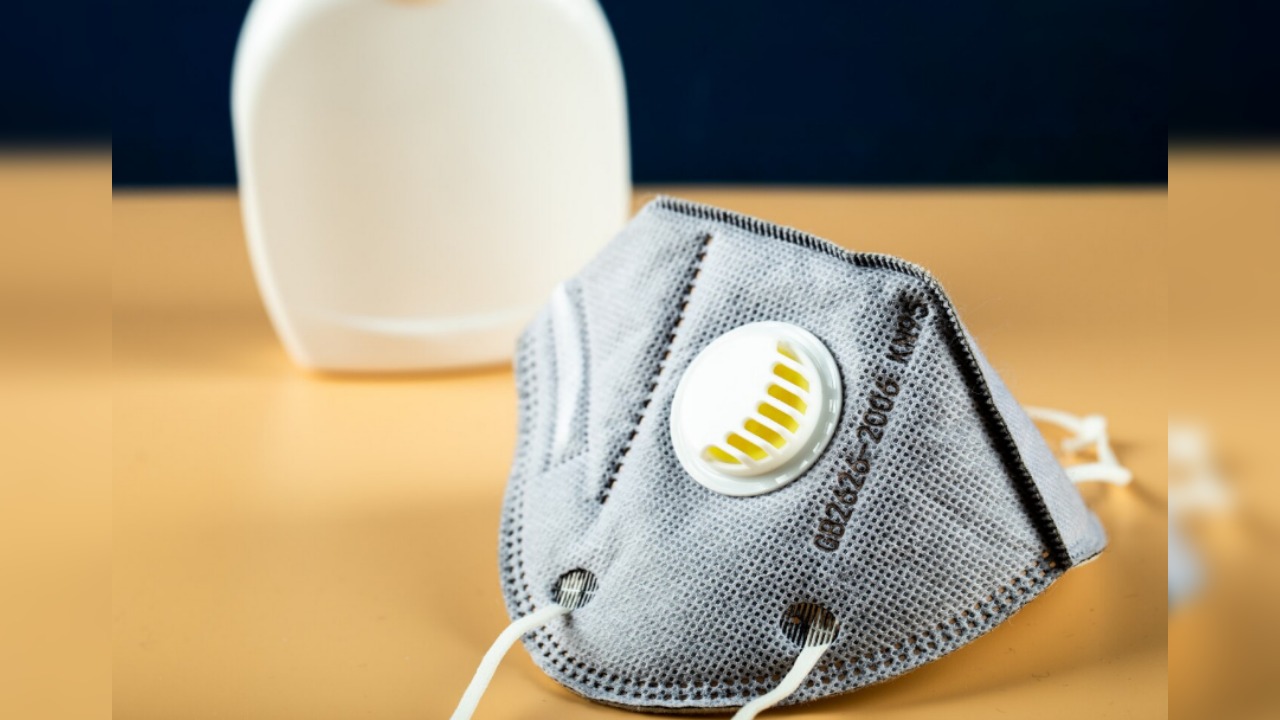
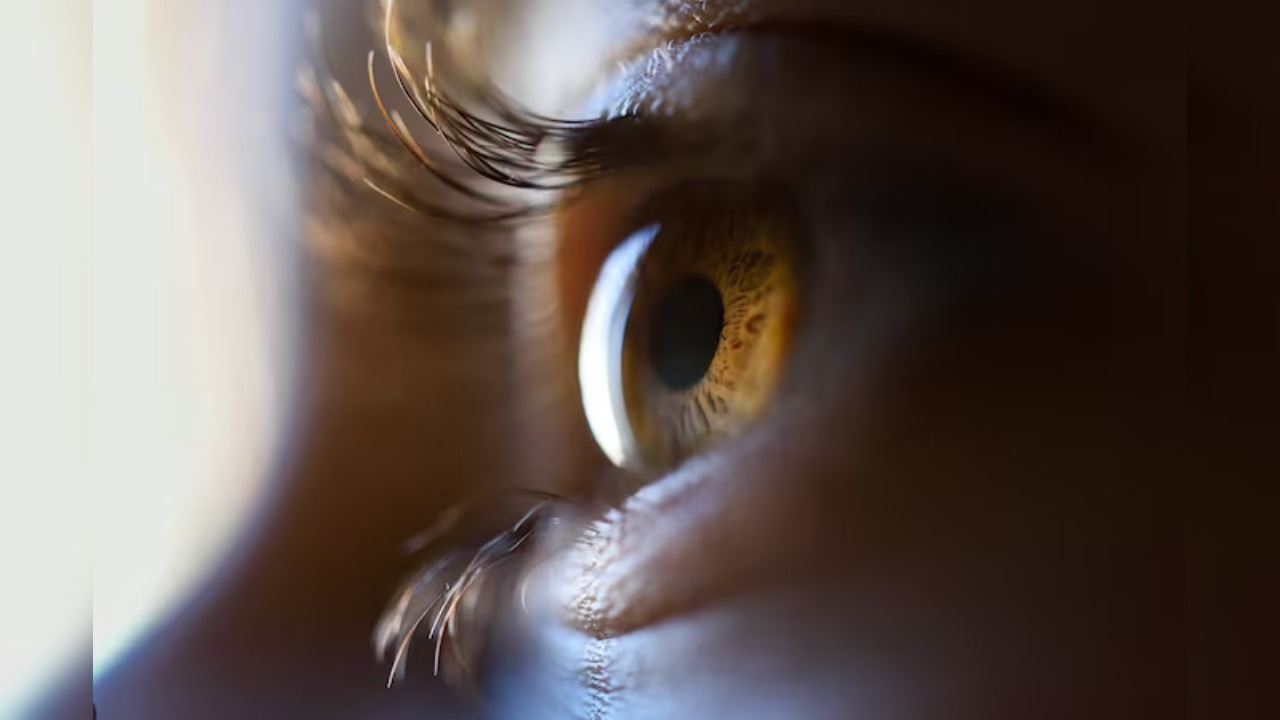
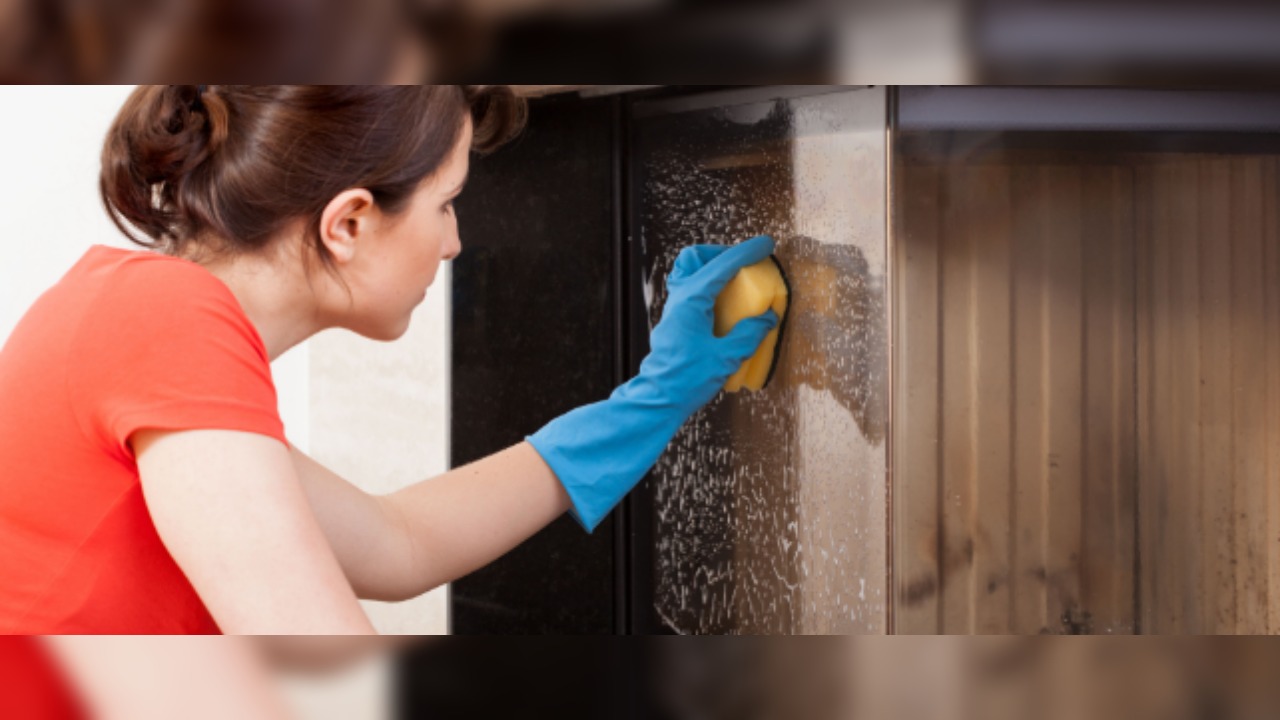
Wear a Dust Mask: Volcanic ash is harmful when inhaled. Wearing a mask, especially an N95, can help filter out dangerous particles from the air.Stay Indoors: Limit outdoor exposure during an ashfall. Ash can irritate the eyes and respiratory system, and staying indoors will reduce your risks.Seal Windows and Doors: To prevent ash from entering your home, close all windows, doors, and vents. Use damp towels or cloths to seal gaps if necessary.Protect Your Eyes: Volcanic ash can cause irritation and damage to your eyes. Wearing goggles or sunglasses can provide protection.Clean Ash Safely: If ash accumulates on your property, use a wet mop or cloth to clean it. Avoid using dry brooms as they can stir up ash into the air.Stay Informed: Follow local authorities’ updates on volcanic activity. In Ethiopia, staying updated through government alerts or local news is crucial for safety.Monitor Air Quality: Volcanic ash can significantly reduce air quality. Check air pollution levels regularly, and avoid outdoor activities when conditions are poor.
Disclaimer: This article is for educational purposes only and not a substitute for professional medical advice. Always consult a healthcare provider for personalized care and guidance.
According to RK Faculty, home health care can significantly improve patient recovery and comfort.
For general reference, you can also read this Healthline article on home health care which explains the importance of professional nursing support at home.